Bee-Search, by Dylan Elen

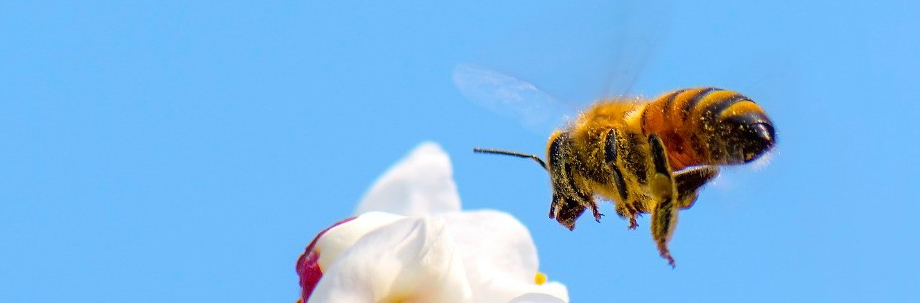
The honeybee (Apis) has seven species and forty-four subspecies, the most common honeybee is the Western honeybee (Apis mellifera) that has 26 recognised subspecies. Honeybees are partially endothermic, they can warm their bodies and the temperature in their hive by working their flight muscles. They are also holometabolous insects, and have four stages in the life … Continue reading Bee-Search, by Dylan Elen

Toadally Screwed, by Wolfgang Wüster

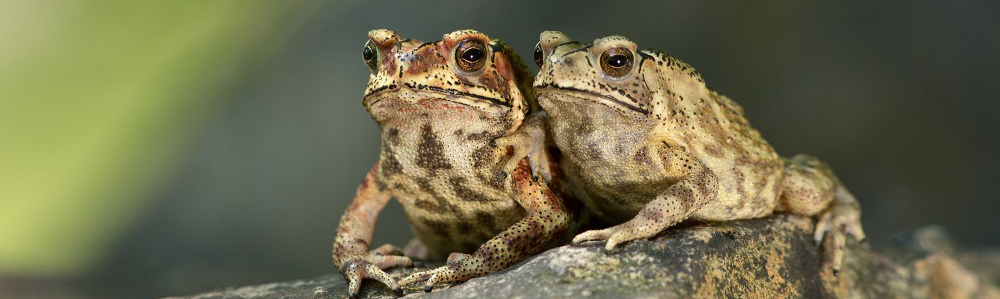
Madagascar is an extreme habitat hotspot by the large amount of deforestation as 80% of its habitat has been destroyed by humans. The island has been cut off from the south-east of Africa for around 90 million years which gives it a lot of biodiversity on this island, and only certain animals can only be … Continue reading Toadally Screwed, by Wolfgang Wüster

Aesculapian Snakes in North Wales, by Tom Major

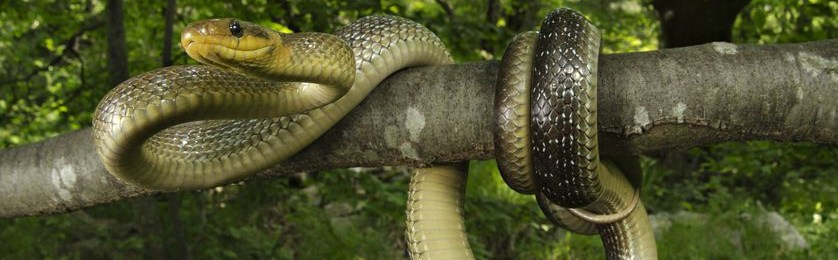
The Aesculapian snake (Zamenis longissimus) is non-venomous. The species is from central and eastern Europe, but there are two small populations in Colwyn bay and London (United Kingdom). This species can hit a size of 2 meters with males being longer than females, this is because the male ‘dance’ for courting of the females. Females … Continue reading Aesculapian Snakes in North Wales, by Tom Major