Centipedes are arthropods which belongs to the class Chilopoda of the subphylum Myriapoda, a group which also includes millipedes and other multi-legged animals. Centipedes are elongates creatures which have one pair of legs per body segment. They are known to be highly venomous.
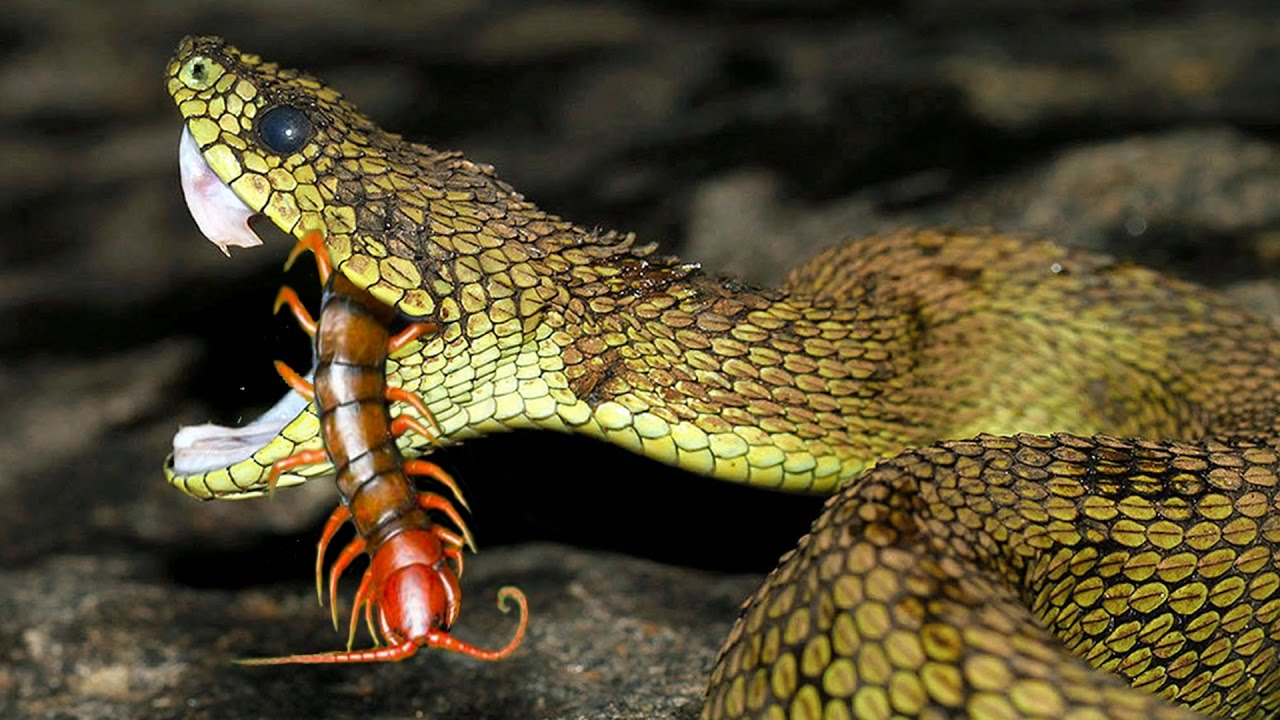
Centipedes have 5 orders with 15 families, but have 3500 describes species within all these families, the 5 orders are;
Scutigeromorpha – Pselliodidae, Scutigeridae, and Scutugerinidae
Lithoiomorpha – Henicopidae, and Lithobiidae
Craterostigmomorpha – Craterostigmidae
Scolopendromorpha – Cryptopidae, Scolopendridae, and Scolopocryptopidae
Geophilomorpha – Himantariidae, Mecistocephalidae, Neogeophilidae, Geophilidae, Oryidae, and Linotaeniidae
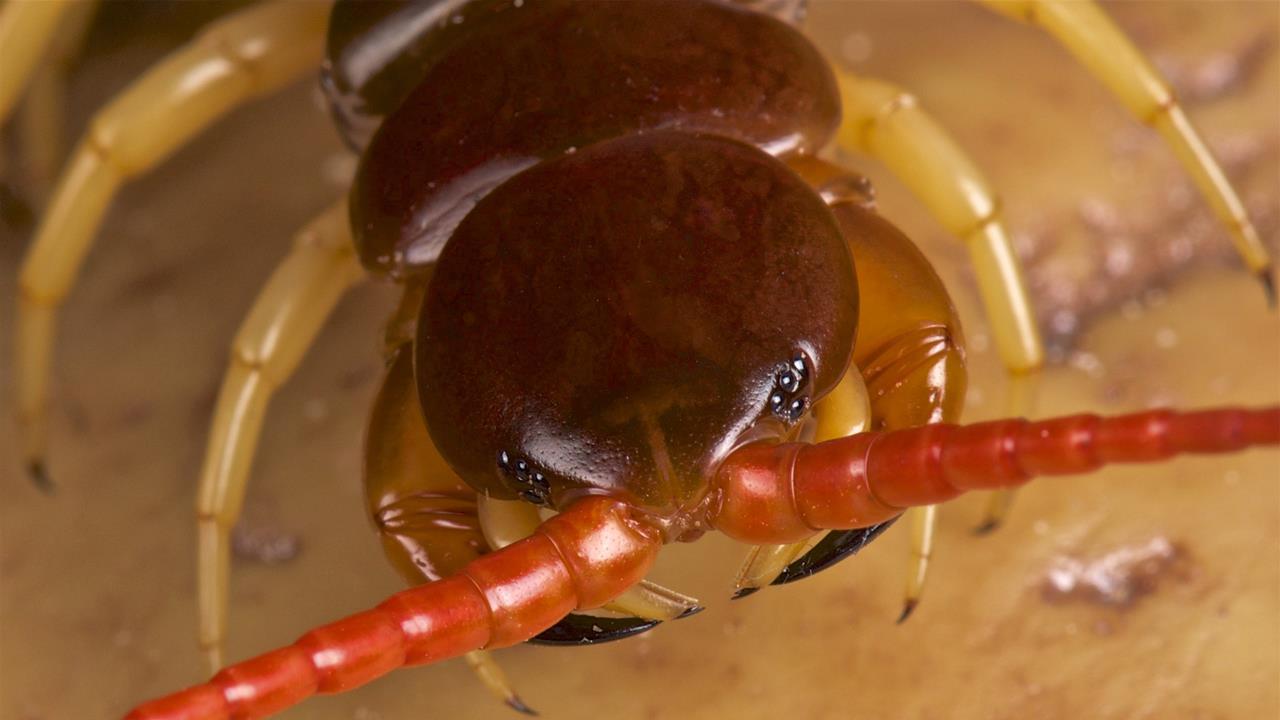
Centipedes can have a variation of number of legs, which range from 30 to 354. The key thing that makes centipedes what they are is how they inject their venom, which is venomous ‘claws’ or forcipules formed from a modified first appendages.
They use this venom to paralyse their prey, as centipedes are venomous. This venom is used as a defence and predatory, the venom is so powerful that it killed a 20 year old woman in 2010 and it can also paralyse snakes.
The venom has many different cocktail substances, such as;
- Enzymes – like serine proteases
- Non-emzymes – like beta-pare forming toxins
- Low molecular weight peptides
Experiment
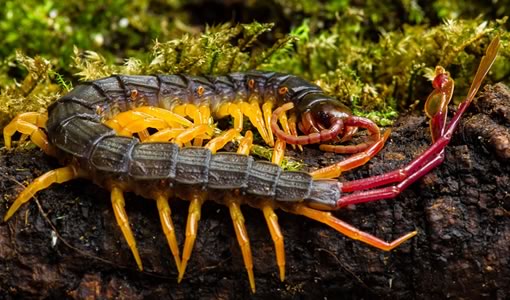
Ronald got 9 species within these five orders, he used CO2 to put these centipedes to sleep. Once they were asleep, they were tide to a glass tube using a plastic band. He would then have to wait for the centipede to wake up fully (may not inject much venom if partly asleep), then milk the venom from them.
He found out that there were far fewer recruitment and decruitment events along the Scutigermorph than Pleurostigmorph species lineages. Scolopendromorph venom’s have diverged most from the centipede’s ancestor’s inferred venom, with most evolution in stems of Scolopendromorpha and Scholopendra
My Opinion
With so many species of centipedes and many different venom’s, it could help understand the evolution of many different specie’s venom. There could be more species to discover in this order.
Also knowing that the common house ‘centipede’ has some sort of venom is fascinating. As invertebrates don’t interest me much, this was a fascinating study which would interest me in the future on researching on venom.

Extra Reading
Click to access toxins-07-00679.pdf
https://www.pnas.org/content/pnas/early/2013/09/25/1306285110.full.pdf
https://www.wemjournal.org/article/S1080-6032(01)70700-4/pdf

 Herpetology with Emily Reed