Slow Loris are a group of several species of nocturnal strepirrhine primates that make up the genus Nycticbus and are found in Southeast Asia. Slow Lorises have a toxic bites, the secretion of the toxin is activated by mixing with saliva. The bite is a deterrent to predators, and the toxin is also applied to the fur during grooming as a form of protection for the infants.
The toxin can be deadly if inflicted on each other, as male Slow Lorises are territorial. The effects are;
- Prolonged healing time
- Skin necrosis
- Loss of digits/limbs
- Permanent loss of vision
- Laboured breathing
- Convulsions/seizures
- Temporary paralysis
- Death
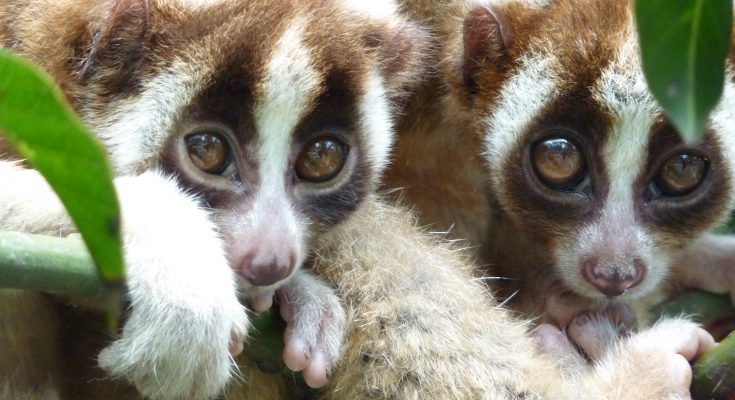
The Study
This study was conducted on many different species of Slow Loris, such as;
- N. pygmaeus
- N. bengalensis
- N. coucans
- N. javanicus
- N. menagensis
- N. hilleri
In these species, they were all done in professional animal husbandry places where the staff were bitten. Using the staff there were bitten and knowing what species are what, this would help understand the pain of the toxin each species has.
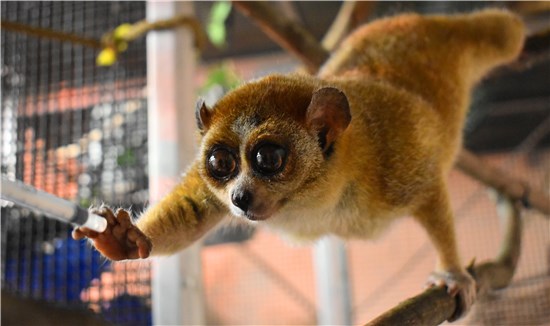
The Results
In total there were 54 bite recipients identified, being between the ages 18 to 65+ years old. 69% of the recipients were females and 31% were males which worked between 3 weeks to 40+ years with Slow Lorises. Within these 54 bites, only 42 of them had symptoms (78%), those symptoms ranged from mild to life threatening. Healing can take up to 244 days.
48% of the recipients said that the bite pain was at the highest rating.
Slow Lorises can give many symptoms to humans, such as;
- Facial and airway swelling
- Infection and festering
- Haematuria
- Inflammation
- Increased allergen sensitivity
- Anaphylaxis
- Paraesthesia
My opinion
While Slow Lorises looking all ‘cute and cuddly’, it’s surprising how harmful these species are. The toxin releasing is fascinating and something for people to look into, there has only been one case of the toxin killing a human and that is only from anaphylactic shock which makes the toxin more of an allergic reaction, not toxicosis.
Also being the only primate to have toxins, it would make a good project to look into how this evolution happened. Primates aren’t my area of research but knowing there is a fascinating primate out there with toxins, although toxins aren’t my speciality but could be an interesting project to do.
Extra Reading
https://primatology.net/2010/10/19/are-slow-lorises-really-venomous/
https://www.ncbi.nlm.nih.gov/pmc/articles/PMC4192448/
https://jvat.biomedcentral.com/articles/10.1186/1678-9199-19-21

 Herpetology with Emily Reed