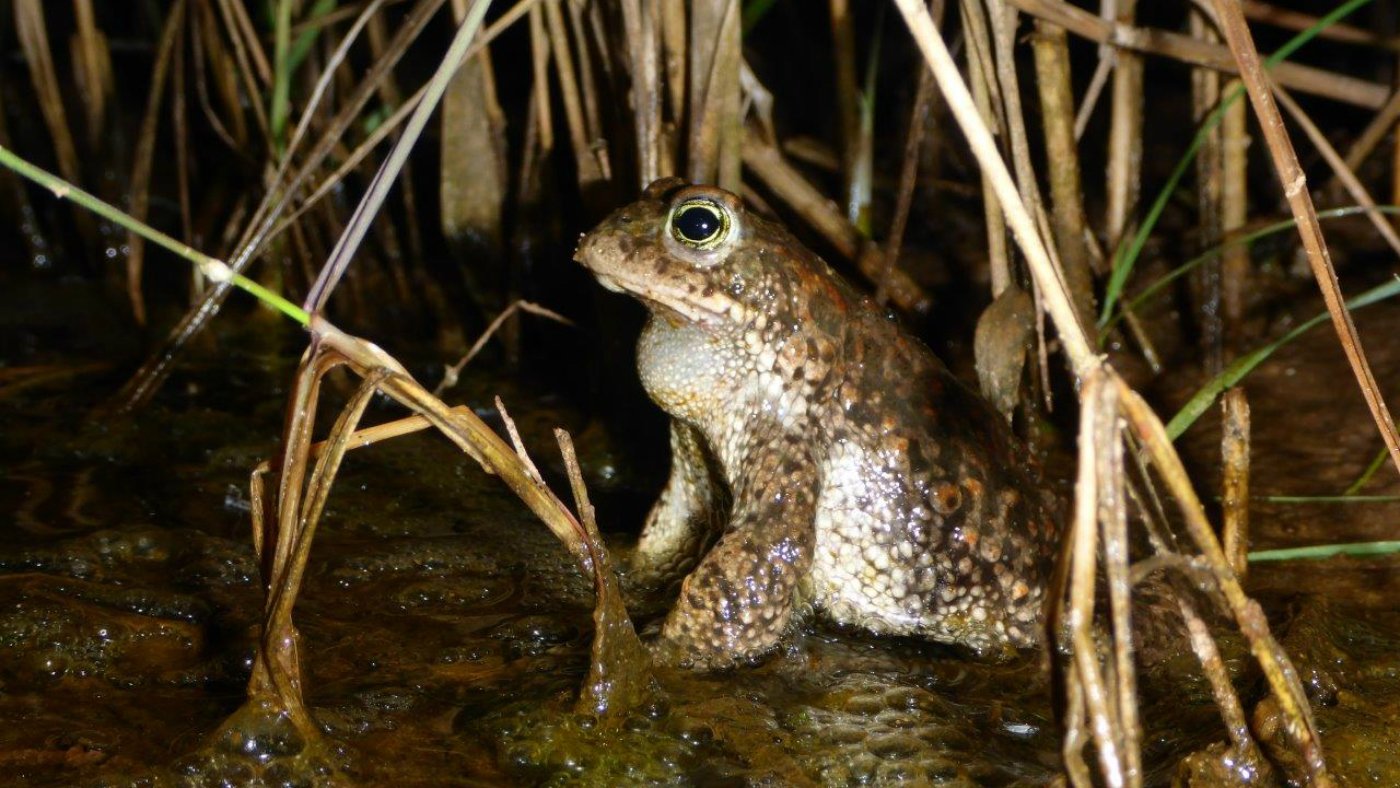
The Natterjack toad (Epidalea calamita) is found at 60 sites in Britain and found across Western Europe but is the rarest amphibian in Ireland. The toad is red listed as ‘Endangered‘ because of the habitat loss and lack of suitable breeding sites which have led to the decline of population.
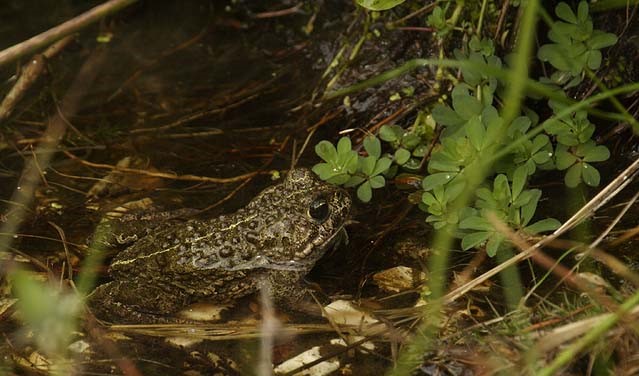
E. calamita can be found in coastal sand dunes, coastal grazing and sandy heaths; sometimes in shallow, warm ponds in sand dunes as warmer water helps successful breeding in the toads.
Fun Fact: Natterjack toads have shorter legs than the common toad, which can run on land but are poor swimmers
In 2008, the National Parks & wildlife Service (NPWS) launched a scheme to increase the number of breeding ponds and increase the toad’s distribution to its historical range.
Study
The study took place in Ireland where the Natterjack toad is more endangered, which covered around 169 ponds that were natural, or man-made.
The ponds where checked between April and July every 7-10 days, eDNA (Environmental Deoxyribonucleic acid) was used to detect if the toads were using the ponds. Using eDNA is important to find certain animals, as water pollution is a big threat for amphibians.
”It is an offence to kill, injure, capture, disturb or sell them, or to damage or destroy their habitats.”
The toads were swabbed on the belly to identify each individual, as eDNA cannot be used to detect individuals but to detect if the toads have been in the area. As only 65% of females breed, it is important to keep an eye on the population levels are increasing or decreasing.
The study also did head-starting for the toads to boost the numbers and help the population grow. Head-starting is a conservation technique which is used for endangered species, where young animals are raised artificially and subsequently released back to the wild. This can help hatchlings reach independance without predation or loss to other natural causes.
My Opinion
Conservation is done for a lot of species across the world but is mostly done for endangered species such as the Natterjack toad. This method could be done on endangered reptiles but would need the use of a incubator for eggs.
The only issue with head-starting is trying to minimise the contact between you and the animal if being released back into the wild. Overall this conservation can be used for other species of amphibians.
Extra Reading
https://www.froglife.org/info-advice/amphibians-and-reptiles/natterjack-toad/
https://www.wildlifetrusts.org/wildlife-explorer/amphibians/natterjack-toad

 Herpetology with Emily Reed