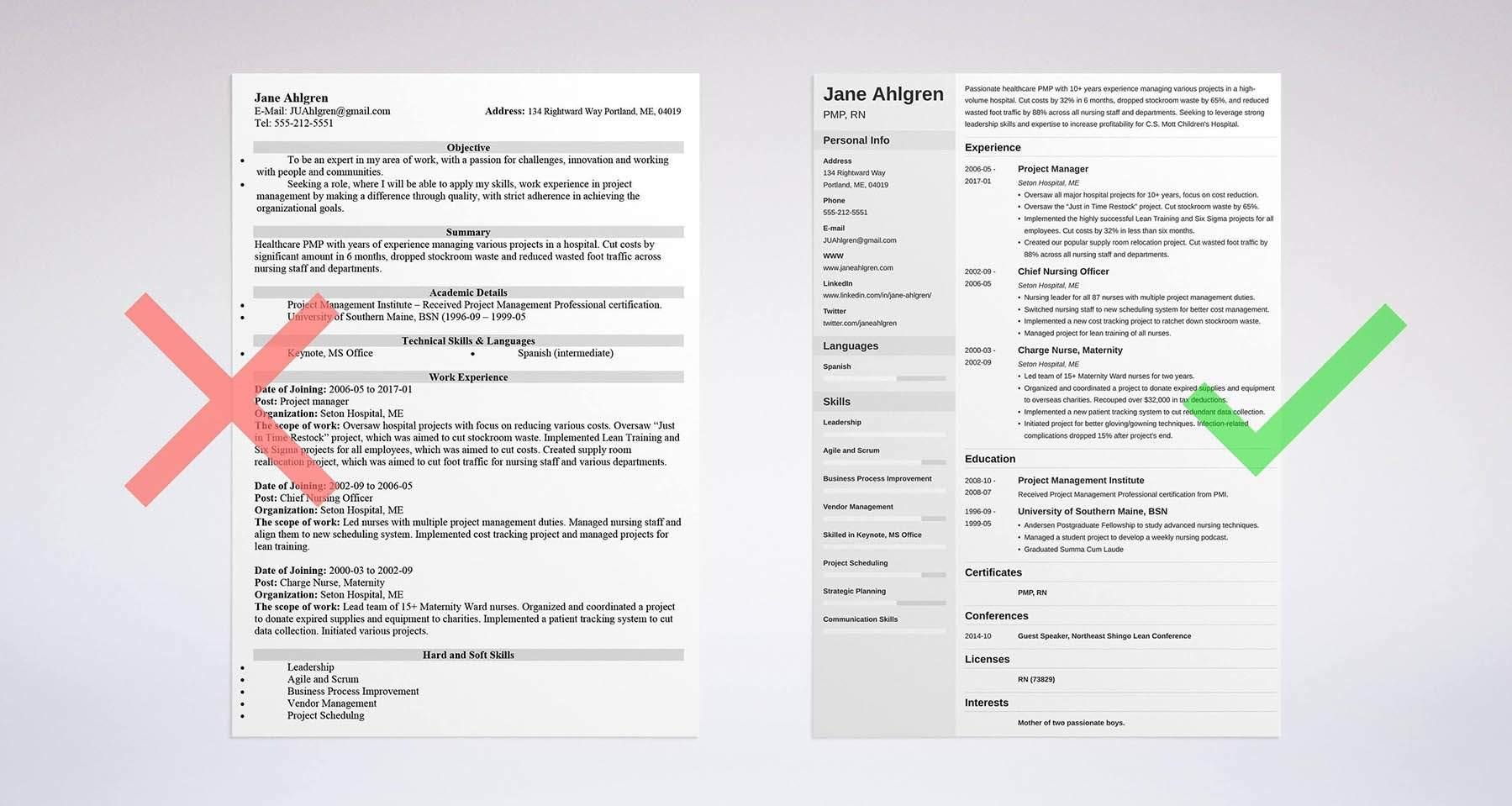
Writing a CV can be difficult, but there are many different CV templates/layouts that can be chosen for specific jobs. For example, what makes a bad or good CV?
A good CV must:
- Be fit for purpose
- Be good layout and formatting
- Relevant and targeted information
- Engaging language
- Impeccable attention to detail
A Bad CV would include:
- Bad layout and formatting
- Spelling mistakes
- Too much/irrelevant information
- ‘honesty imbalance’
Fun Fact: The first CV was made in 1492
There are many different structure CV’s that can be chosen from, for example; Skill based, and Academic.
Skill based CV enables you to target your CV with out directly relevant experience or qualifications, gaps in employments, give specific examples of where you develop the skills, and important to include work experience, relate to your skills to those required by employer and the field of work.
An academic CV is used when applying for lecturing or research positions, such as post-doctoral research roles. This is focused on academic achievements, which have slightly different rules. It contains more detail and additional sections, therefore no page limit. It is still important to keep the information relevant to the post applying for.
The structure of a CV must have;
- Personal details
- Academic education
- Employment and work experience
- Additional information
- Referees
Optional and additional information that can be included:
- Profile
- Achievements
- Voluntary activities
- Driving licence (Example: Full clean driving licence since 2015)
- Professional memberships
Fun fact: On average, the number of people who apply for any given job is 118 people. Only 20% of these get into the interview stage
You can also include a covering letter, always send a cover letter with a CV whether the application is speculative or for a specific job.This will show your understanding of the organisations goals and how you would like to contribute. Don’t repeat any information that is on your CV.
How to paragraph for a cover letter;
- Introduce yourself, why you’re writing, where you saw the post advertised
- Why you should work for them
- Why this organisation, show your research
- Enthusiastic conclusion
My opinion
Overall the lectures for the CV writing were very informative, but when you get to actually writing one it’s a different story. There are many different CV’s that would be written but knowing what information is needed is hard, it would be harder for people who have never had a job. It has helped me improve my CV and could help me improve it in the future.

Extra Reading
https://www.prospects.ac.uk/careers-advice/cvs-and-cover-letters/how-to-write-a-cv
https://www.cv-library.co.uk/career-advice/cv/how-to-write-a-cv-tips/

 Herpetology with Emily Reed