Madagascar is an extreme habitat hotspot by the large amount of deforestation as 80% of its habitat has been destroyed by humans. The island has been cut off from the south-east of Africa for around 90 million years which gives it a lot of biodiversity on this island, and only certain animals can only be found on this island. Such as;
- Madagascar Pochard (Aythya innotata)
- Giraffe Weevil (Trachelophorus giraffe)
- Panther Chameleon (Furcifer pardalis)
- Tomato Frog (Dyscophus antongilii)
- Sifaka (Propithecus)
- Satanic Leaf-Tailed Gecko (Uroplatus phantasticus)
- Giant Madagascar Hognose (Leioheterodon madagascariensis)
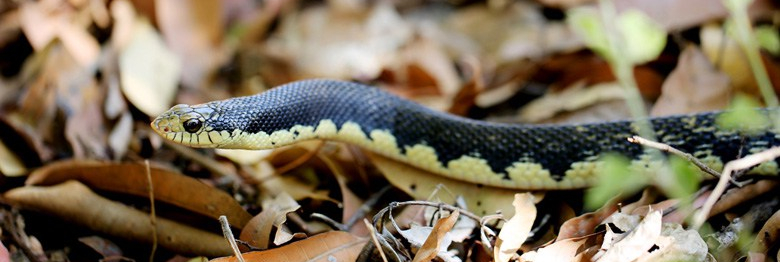
About Wolfgang Wüster
Wolfgang is well known lecturer at Bangor university in North Wales and is a senior lecturer in Zoology (molecular ecology). He has been writing papers or out in the field since around 2000s, but mostly does his research on venomous reptiles or on the venom. He has a qualification in systematic’s of Asian cobras PhD at Aberdeen Uni.
The study of Duttaphrynus melanostictus in Madagascar
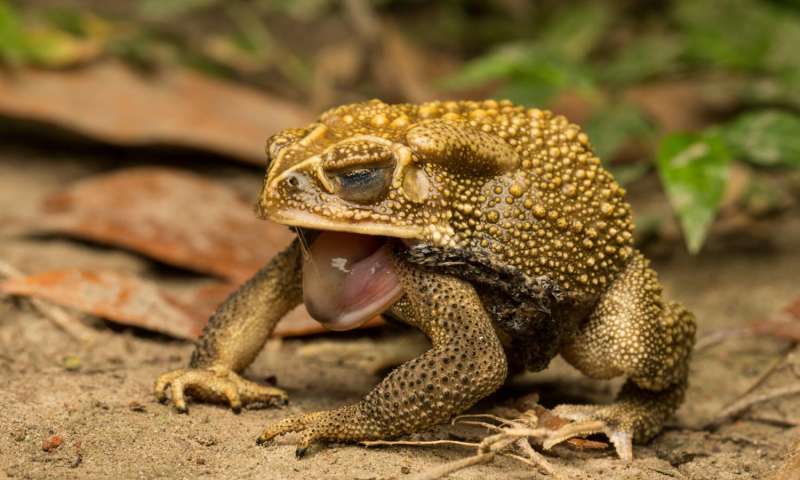
Madagascar is one of the poorest country in the world, which makes it harder to eradicate the invasive species on this island. In 2010, the Asian common toad (Duttaphrynus melanostictus) was introduced to the island of Madagascar and being to only species of toad on the island. D. melanostictus has also invaded through Wallacea and Lesser Sunda Island, if the toad was to spread more it could get to komodo island and possibly wipe that species out.
D. melanostictus has a toxin called ‘bufadienolide’ which can cause an atrioventricular block, bradycardia, ventricular tachycardia, and possibly lethal cardiac arrest. These toxins are released through skin secretions through the paranoid gland which when ‘squished’ realises the toxins which may kills many species on Madagascar as nearly all native species are sensitive to the toxin.
Fun Fact: This island has lost more than 80% of its original forest land since humans arrived on this place about two thousand years ago
Where D. melanostictus has invaded is a swamp area, which will be nearly impossible to eradicate the species. The only way to try and eradicate the species is through education for the people on the island to kill the species when they come across one. This will slow down the process of the species invading the whole island.
My opinions
Even though there hasn’t been much research on the D. melanostictus on the island of Madagascar, it would be interesting how much the toad will invade on the island because of all the different environmental elements.
With not much research done on this non-native species, it would be interesting doing some work on this species or on similar scenarios. Possibility in years to come, will they become different than the ones in their natural habitat.
Extra reading
https://www.sciencedirect.com/science/article/pii/S0166445X16301515
https://onlinelibrary.wiley.com/doi/pdf/10.1111/gcb.12693
https://journals.sagepub.com/doi/pdf/10.1177/194008291500800210
Click to access fifty_years_of_deforestation_and_forest_fragmentation_in_madagascar.pdf

 Herpetology with Emily Reed